Buy 軍歌.com ?
We are moving the project
軍歌.com .
Are you interested in purchasing the domain
軍歌.com ?
domain@kv-gmbh.de · 0541-91531010
Buy 軍歌.com ?
How do non-homologous recombination and homologous recombination work?
Non-homologous recombination involves the joining of two DNA molecules at non-homologous sequences, resulting in the insertion, deletion, or rearrangement of genetic material. This process is often error-prone and can lead to mutations. Homologous recombination, on the other hand, involves the exchange of genetic material between two similar DNA molecules, typically occurring during meiosis. This process is important for repairing DNA damage and ensuring genetic diversity. It involves the exchange of genetic material between homologous chromosomes, resulting in the formation of new combinations of genes. **
What is the difference between interchromosomal recombination and intrachromosomal recombination?
Interchromosomal recombination involves the exchange of genetic material between two different chromosomes, while intrachromosomal recombination involves the exchange of genetic material within the same chromosome. Interchromosomal recombination can result in the creation of new combinations of genes from different chromosomes, leading to genetic diversity. In contrast, intrachromosomal recombination can lead to the repair of DNA damage or the creation of genetic variation within the same chromosome. Both processes are important for genetic diversity and evolution. **


Similar search terms for Recombination
Top-Angebote
Products related to Recombination:
-
"""The Soldier""" """The Soldier Cabernet Sauvignon 2021 Red Wine - Washington""""""A deep crimson in the glass, the wine begins with a deliciously jammy nose of dark berry fruit such as marionberry and boysenberry, joined by sweet notes of lilac, rose, anise, cedar chest and tobacco. On the palate the wine is flavorful and..."30,99 $*Shipping: 0,00 $Secure redirect to the provider
-
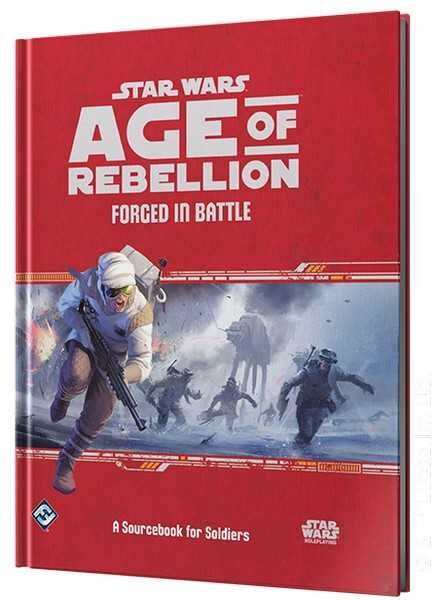
Edge Star Wars Age of Rebellion RPG: Forged in Battle - Roleplaying Game Supplement for Rebel Alliance Characters and Military MissionsExpand your Star Wars: Age of Rebellion roleplaying campaign with Forged in Battle, a supplement focused on soldiers of the Rebel Alliance and other characters who operate in wartime environments. This sourcebook adds new playable options for military characters, allies, and fighters, helping groups develop distinctive heroes suited to campaigns of resistance, covert operations, and open conflict. It also provides material for games centered on military missions, including shorter Strike Missions that can be used as individual adventures or combined into a wider campaign. For Star Wars roleplaying groups, this supplement offers a range of new ideas and options for fighters of different backgrounds.32,99 £*Shipping: 3,95 £Secure redirect to the provider
-
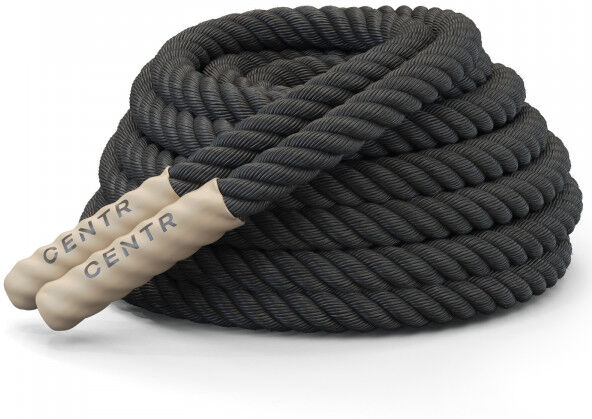
Centr Battle RopeCENTR BATTLE ROPE The Centr Battle Rope is built for high-intensity training and endurance workouts, offering a versatile fitness tool for home gyms, outdoor sessions, or on-the-go use. Its durable construction ensures it can handle even the toughest routines, providing a reliable way to elevate...69,00 £*Shipping: 4,95 £Secure redirect to the provider
-
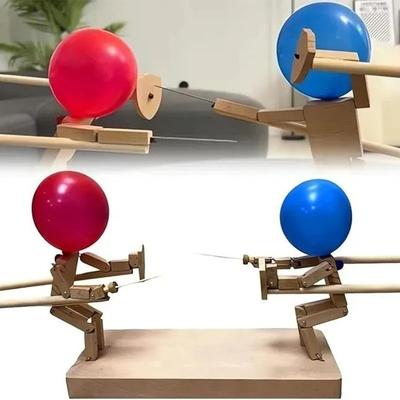
Uplift Essentials Double Battle Poke Balloon Toy Double Battle Poke Balloon ToyBring a unique and thrilling challenge to family game night with the Double Battle Poke Balloon Toy Head, a handmade interactive game designed for fastpaced fun. This creative toy features intricately crafted wooden or bamboo warriors that clash in...58,97 $*Shipping: 0,00 $Secure redirect to the provider

-
What is the difference between intrachromosomal recombination and interchromosomal recombination?
Intrachromosomal recombination occurs between two different regions of the same chromosome, leading to the exchange of genetic material within the same chromosome. On the other hand, interchromosomal recombination involves the exchange of genetic material between two different chromosomes. Intrachromosomal recombination can lead to the creation of genetic diversity within a single chromosome, while interchromosomal recombination can result in the exchange of genetic material between different chromosomes, leading to genetic diversity among different chromosomes. **
-
What is recombination in biology?
Recombination in biology refers to the process by which genetic material from two different sources is combined to produce a new combination of genes. This can occur through sexual reproduction, where genetic material from two parents is combined to create offspring with a unique genetic makeup. Recombination plays a crucial role in generating genetic diversity within populations, which is important for evolution and adaptation to changing environments. In organisms that reproduce sexually, recombination occurs during meiosis, where homologous chromosomes exchange genetic material through a process called crossing over. **
-
What is recombination and genetic variability?
Recombination is the process by which genetic material is exchanged between two similar molecules of DNA, resulting in new combinations of genes. This process occurs during meiosis, the cell division that produces gametes (sperm and egg cells). Genetic variability refers to the diversity of genetic material within a population, which is influenced by factors such as recombination, mutations, and gene flow. Recombination plays a key role in generating genetic variability by creating new combinations of genes, which can lead to increased diversity and adaptation within a population. **
-
How does crossing-over influence recombination?
Crossing-over is a process during meiosis where homologous chromosomes exchange genetic material. This exchange of genetic material results in new combinations of alleles on the chromosomes, leading to genetic recombination. By shuffling genetic material between homologous chromosomes, crossing-over increases genetic diversity in offspring and can result in the creation of new combinations of traits. This process is essential for generating genetic variation within a population and plays a crucial role in evolution. **
How many offspring are produced through recombination?
Recombination typically results in two offspring being produced. This is because during recombination, genetic material from two parent organisms is combined to create a new individual with a unique combination of traits. This process allows for genetic diversity and variation within a population. **
When does disproportionation occur instead of recombination?
Disproportionation occurs when a single species is both oxidized and reduced in a reaction, leading to the formation of two different products with different oxidation states. This process typically occurs when the species involved can exist in multiple oxidation states and there is no suitable reactant available for recombination. In contrast, recombination occurs when two species with different oxidation states combine to form a single product with an intermediate oxidation state. **
Top-Angebote
Products related to Recombination:
-
Inspired Finds Children's Pinball Marble Table Game With Catapult Hand Eye Coordination Toy soldier Army BattleTurn playtime into an exciting tabletop challenge with this childrens pinball machine toy, designed to entertain while developing motor skills. Featuring a marble table battle catapult game setup, it encourages kids to launch marbles, aim for...56,99 $*Shipping: 0,00 $Secure redirect to the provider
-
"""The Soldier""" """The Soldier Cabernet Sauvignon 2021 Red Wine - Washington""""""A deep crimson in the glass, the wine begins with a deliciously jammy nose of dark berry fruit such as marionberry and boysenberry, joined by sweet notes of lilac, rose, anise, cedar chest and tobacco. On the palate the wine is flavorful and..."30,99 $*Shipping: 0,00 $Secure redirect to the provider
-
Edge Star Wars Age of Rebellion RPG: Forged in Battle - Roleplaying Game Supplement for Rebel Alliance Characters and Military MissionsExpand your Star Wars: Age of Rebellion roleplaying campaign with Forged in Battle, a supplement focused on soldiers of the Rebel Alliance and other characters who operate in wartime environments. This sourcebook adds new playable options for military characters, allies, and fighters, helping groups develop distinctive heroes suited to campaigns of resistance, covert operations, and open conflict. It also provides material for games centered on military missions, including shorter Strike Missions that can be used as individual adventures or combined into a wider campaign. For Star Wars roleplaying groups, this supplement offers a range of new ideas and options for fighters of different backgrounds.32,99 £*Shipping: 3,95 £Secure redirect to the provider
-
How do non-homologous recombination and homologous recombination work?
Non-homologous recombination involves the joining of two DNA molecules at non-homologous sequences, resulting in the insertion, deletion, or rearrangement of genetic material. This process is often error-prone and can lead to mutations. Homologous recombination, on the other hand, involves the exchange of genetic material between two similar DNA molecules, typically occurring during meiosis. This process is important for repairing DNA damage and ensuring genetic diversity. It involves the exchange of genetic material between homologous chromosomes, resulting in the formation of new combinations of genes. **
-
What is the difference between interchromosomal recombination and intrachromosomal recombination?
Interchromosomal recombination involves the exchange of genetic material between two different chromosomes, while intrachromosomal recombination involves the exchange of genetic material within the same chromosome. Interchromosomal recombination can result in the creation of new combinations of genes from different chromosomes, leading to genetic diversity. In contrast, intrachromosomal recombination can lead to the repair of DNA damage or the creation of genetic variation within the same chromosome. Both processes are important for genetic diversity and evolution. **
-
What is the difference between intrachromosomal recombination and interchromosomal recombination?
Intrachromosomal recombination occurs between two different regions of the same chromosome, leading to the exchange of genetic material within the same chromosome. On the other hand, interchromosomal recombination involves the exchange of genetic material between two different chromosomes. Intrachromosomal recombination can lead to the creation of genetic diversity within a single chromosome, while interchromosomal recombination can result in the exchange of genetic material between different chromosomes, leading to genetic diversity among different chromosomes. **
-
What is recombination in biology?
Recombination in biology refers to the process by which genetic material from two different sources is combined to produce a new combination of genes. This can occur through sexual reproduction, where genetic material from two parents is combined to create offspring with a unique genetic makeup. Recombination plays a crucial role in generating genetic diversity within populations, which is important for evolution and adaptation to changing environments. In organisms that reproduce sexually, recombination occurs during meiosis, where homologous chromosomes exchange genetic material through a process called crossing over. **
Similar search terms for Recombination
-
Centr Battle RopeCENTR BATTLE ROPE The Centr Battle Rope is built for high-intensity training and endurance workouts, offering a versatile fitness tool for home gyms, outdoor sessions, or on-the-go use. Its durable construction ensures it can handle even the toughest routines, providing a reliable way to elevate...69,00 £*Shipping: 4,95 £Secure redirect to the provider
-
Uplift Essentials Double Battle Poke Balloon Toy Double Battle Poke Balloon ToyBring a unique and thrilling challenge to family game night with the Double Battle Poke Balloon Toy Head, a handmade interactive game designed for fastpaced fun. This creative toy features intricately crafted wooden or bamboo warriors that clash in...58,97 $*Shipping: 0,00 $Secure redirect to the provider
-
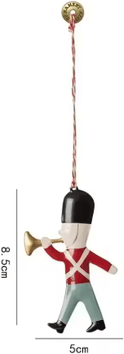
Inspire Picks Nordic Double Sided Christmas Tree Ornament Iron Angel & Soldier Hanging Decoration soldier 07Bring timeless holiday charm to your decor with this elegant Christmas tree ornament inspired by classic Nordic design. Crafted from durable iron art with a beautiful doublesided finish, this Nordic Christmas ornament features charming angel and...48,86 $*Shipping: 0,00 $Secure redirect to the provider
-
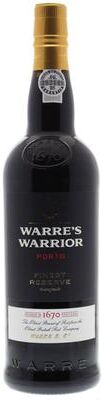
"""Warre's Warrior Port Dessert Wine - Portugal""""""Deep red color, with intensely rich aromas of ripe red fruits and spices. On the palate well balanced and full-bodied, with a long and complex finish. Superb with cheese, nuts or dried fruit after a meal. Fresher in style than the Warrior of the..."23,97 $*Shipping: 0,00 $Secure redirect to the provider
-
What is recombination and genetic variability?
Recombination is the process by which genetic material is exchanged between two similar molecules of DNA, resulting in new combinations of genes. This process occurs during meiosis, the cell division that produces gametes (sperm and egg cells). Genetic variability refers to the diversity of genetic material within a population, which is influenced by factors such as recombination, mutations, and gene flow. Recombination plays a key role in generating genetic variability by creating new combinations of genes, which can lead to increased diversity and adaptation within a population. **
-
How does crossing-over influence recombination?
Crossing-over is a process during meiosis where homologous chromosomes exchange genetic material. This exchange of genetic material results in new combinations of alleles on the chromosomes, leading to genetic recombination. By shuffling genetic material between homologous chromosomes, crossing-over increases genetic diversity in offspring and can result in the creation of new combinations of traits. This process is essential for generating genetic variation within a population and plays a crucial role in evolution. **
-
How many offspring are produced through recombination?
Recombination typically results in two offspring being produced. This is because during recombination, genetic material from two parent organisms is combined to create a new individual with a unique combination of traits. This process allows for genetic diversity and variation within a population. **
-
When does disproportionation occur instead of recombination?
Disproportionation occurs when a single species is both oxidized and reduced in a reaction, leading to the formation of two different products with different oxidation states. This process typically occurs when the species involved can exist in multiple oxidation states and there is no suitable reactant available for recombination. In contrast, recombination occurs when two species with different oxidation states combine to form a single product with an intermediate oxidation state. **
* All prices are inclusive of VAT and, if applicable, plus shipping costs. The offer information is based on the details provided by the respective shop and is updated through automated processes. Real-time updates do not occur, so deviations can occur in individual cases. ** Note: Parts of this content were created by AI.