Buy 軍歌.com ?
We are moving the project
軍歌.com .
Are you interested in purchasing the domain
軍歌.com ?
domain@kv-gmbh.de · 0541-91531010
Buy 軍歌.com ?
How does the German unification in the 19th century differ from the Italian unification?
The German unification in the 19th century was primarily driven by the leadership of Prussia under Otto von Bismarck, who used a combination of diplomacy and warfare to unify the German states. In contrast, the Italian unification was led by several key figures such as Giuseppe Garibaldi and Count Camillo di Cavour, and involved a series of military campaigns and uprisings to unify the Italian states. Additionally, the German unification resulted in the creation of a powerful, centralized German Empire, while the Italian unification led to the establishment of a constitutional monarchy under King Victor Emmanuel II. **
Have the Wars of Unification changed nationalism?
Yes, the Wars of Unification have changed nationalism by promoting a sense of unity and pride among the people of the newly unified nations. These wars helped to solidify the idea of a shared national identity and common goals, leading to a stronger sense of nationalism. Additionally, the victories in these wars often fueled a sense of superiority and exceptionalism among the citizens of the unified nations. Overall, the Wars of Unification played a significant role in shaping and strengthening nationalist sentiments in the countries involved. **


Similar search terms for Unification
Top-Angebote
Products related to Unification:
-
"""The Soldier""" """The Soldier Cabernet Sauvignon 2021 Red Wine - Washington""""""A deep crimson in the glass, the wine begins with a deliciously jammy nose of dark berry fruit such as marionberry and boysenberry, joined by sweet notes of lilac, rose, anise, cedar chest and tobacco. On the palate the wine is flavorful and..."30,99 $*Shipping: 0,00 $Secure redirect to the provider
-
C&F Home Soldier Nutcracker MugEnjoy your tea, hot chocolate, or coffee in this holiday mug to bring a cozy warmth to your Christmas nights and sunny holiday mornings. Fill it with pens and pencils for your desk, or give it to anyone as a cute Christmas gift.23,93 $*Shipping: 0,00 $Secure redirect to the provider
-
Centr Battle RopeCENTR BATTLE ROPE The Centr Battle Rope is built for high-intensity training and endurance workouts, offering a versatile fitness tool for home gyms, outdoor sessions, or on-the-go use. Its durable construction ensures it can handle even the toughest routines, providing a reliable way to elevate...69,00 £*Shipping: 4,95 £Secure redirect to the provider
-
Uplift Essentials Double Battle Poke Balloon Toy Double Battle Poke Balloon ToyBring a unique and thrilling challenge to family game night with the Double Battle Poke Balloon Toy Head, a handmade interactive game designed for fastpaced fun. This creative toy features intricately crafted wooden or bamboo warriors that clash in...58,97 $*Shipping: 0,00 $Secure redirect to the provider




-
Did the Wars of Unification change nationalism?
Yes, the Wars of Unification played a significant role in changing nationalism. These wars, such as the Italian and German unifications in the 19th century, helped to strengthen national identities and create unified nations. The victories in these wars fueled a sense of national pride and solidarity among the people, leading to a stronger sense of nationalism. Additionally, the successful unifications demonstrated the power of nationalism as a unifying force in achieving political goals. **
-
What happened during the German unification in 1871?
During the German unification in 1871, the various independent German states were brought together under the leadership of Prussia. This unification was achieved through a series of wars and diplomatic negotiations, culminating in the proclamation of the German Empire at the Palace of Versailles. Otto von Bismarck, the Chancellor of Prussia, played a key role in orchestrating the unification process. The new German Empire was headed by the King of Prussia, who became the Emperor of Germany, and it marked a significant shift in the balance of power in Europe. **
-
Was European unification a financial gain for Germany?
European unification has been a financial gain for Germany in many ways. As the largest and most powerful economy in the European Union, Germany has benefited from increased trade and investment opportunities within the EU. The single currency, the Euro, has also made it easier for German businesses to conduct transactions with other European countries. Additionally, EU funding and subsidies have supported infrastructure and development projects in Germany. However, it is important to note that European unification has also brought about financial responsibilities for Germany, such as contributing to the EU budget and providing financial assistance to struggling member states. Overall, while there have been costs associated with European unification, the economic benefits for Germany have been significant. **
-
What were the consequences of the German unification?
The consequences of German unification were both positive and negative. On the positive side, it led to the creation of a powerful and economically strong nation in the heart of Europe. It also brought about a sense of national identity and pride among the German people. However, the unification also led to tensions with neighboring countries, particularly France, and raised concerns about the balance of power in Europe. Additionally, the process of unification resulted in economic and social challenges, as the former East Germany struggled to catch up with the more prosperous West. **

Is the Unification Church a cult or not?
The classification of the Unification Church as a cult is a matter of debate and controversy. Some critics and former members have labeled it as a cult due to its unconventional beliefs, strict hierarchical structure, and the charismatic leadership of its founder, Sun Myung Moon. However, the Unification Church itself rejects the label of cult and instead considers itself a legitimate religious movement. Ultimately, whether the Unification Church is considered a cult or not depends on one's perspective and interpretation of its teachings and practices. **
What is the definition of the Wars of Unification?
The Wars of Unification refer to a series of conflicts and military campaigns that took place in the 19th century with the goal of unifying separate states or regions into a single nation. These wars typically involved a dominant power seeking to bring together smaller states or territories under its control through conquest or diplomacy. Examples of Wars of Unification include the unification of Italy led by figures like Giuseppe Garibaldi and Count Cavour, as well as the unification of Germany under the leadership of Otto von Bismarck. **
Top-Angebote
Products related to Unification:
-
Inspired Finds Children's Pinball Marble Table Game With Catapult Hand Eye Coordination Toy soldier Army BattleTurn playtime into an exciting tabletop challenge with this childrens pinball machine toy, designed to entertain while developing motor skills. Featuring a marble table battle catapult game setup, it encourages kids to launch marbles, aim for...56,99 $*Shipping: 0,00 $Secure redirect to the provider
-
"""The Soldier""" """The Soldier Cabernet Sauvignon 2021 Red Wine - Washington""""""A deep crimson in the glass, the wine begins with a deliciously jammy nose of dark berry fruit such as marionberry and boysenberry, joined by sweet notes of lilac, rose, anise, cedar chest and tobacco. On the palate the wine is flavorful and..."30,99 $*Shipping: 0,00 $Secure redirect to the provider
-
C&F Home Soldier Nutcracker MugEnjoy your tea, hot chocolate, or coffee in this holiday mug to bring a cozy warmth to your Christmas nights and sunny holiday mornings. Fill it with pens and pencils for your desk, or give it to anyone as a cute Christmas gift.23,93 $*Shipping: 0,00 $Secure redirect to the provider
-
How does the German unification in the 19th century differ from the Italian unification?
The German unification in the 19th century was primarily driven by the leadership of Prussia under Otto von Bismarck, who used a combination of diplomacy and warfare to unify the German states. In contrast, the Italian unification was led by several key figures such as Giuseppe Garibaldi and Count Camillo di Cavour, and involved a series of military campaigns and uprisings to unify the Italian states. Additionally, the German unification resulted in the creation of a powerful, centralized German Empire, while the Italian unification led to the establishment of a constitutional monarchy under King Victor Emmanuel II. **
-
Have the Wars of Unification changed nationalism?
Yes, the Wars of Unification have changed nationalism by promoting a sense of unity and pride among the people of the newly unified nations. These wars helped to solidify the idea of a shared national identity and common goals, leading to a stronger sense of nationalism. Additionally, the victories in these wars often fueled a sense of superiority and exceptionalism among the citizens of the unified nations. Overall, the Wars of Unification played a significant role in shaping and strengthening nationalist sentiments in the countries involved. **
-
Did the Wars of Unification change nationalism?
Yes, the Wars of Unification played a significant role in changing nationalism. These wars, such as the Italian and German unifications in the 19th century, helped to strengthen national identities and create unified nations. The victories in these wars fueled a sense of national pride and solidarity among the people, leading to a stronger sense of nationalism. Additionally, the successful unifications demonstrated the power of nationalism as a unifying force in achieving political goals. **
-
What happened during the German unification in 1871?
During the German unification in 1871, the various independent German states were brought together under the leadership of Prussia. This unification was achieved through a series of wars and diplomatic negotiations, culminating in the proclamation of the German Empire at the Palace of Versailles. Otto von Bismarck, the Chancellor of Prussia, played a key role in orchestrating the unification process. The new German Empire was headed by the King of Prussia, who became the Emperor of Germany, and it marked a significant shift in the balance of power in Europe. **
Similar search terms for Unification
-
Centr Battle RopeCENTR BATTLE ROPE The Centr Battle Rope is built for high-intensity training and endurance workouts, offering a versatile fitness tool for home gyms, outdoor sessions, or on-the-go use. Its durable construction ensures it can handle even the toughest routines, providing a reliable way to elevate...69,00 £*Shipping: 4,95 £Secure redirect to the provider
-
Uplift Essentials Double Battle Poke Balloon Toy Double Battle Poke Balloon ToyBring a unique and thrilling challenge to family game night with the Double Battle Poke Balloon Toy Head, a handmade interactive game designed for fastpaced fun. This creative toy features intricately crafted wooden or bamboo warriors that clash in...58,97 $*Shipping: 0,00 $Secure redirect to the provider
-
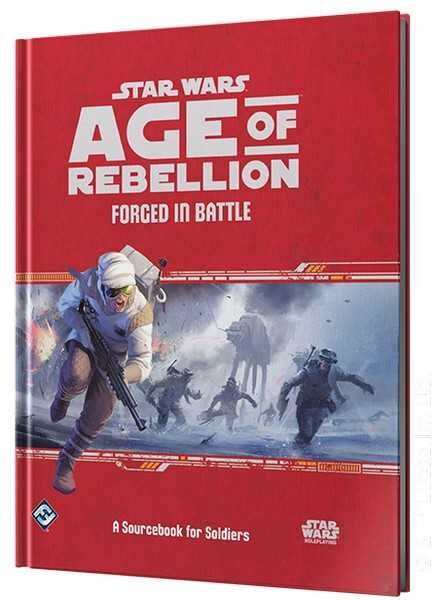
Edge Star Wars Age of Rebellion RPG: Forged in Battle - Roleplaying Game Supplement for Rebel Alliance Characters and Military MissionsExpand your Star Wars: Age of Rebellion roleplaying campaign with Forged in Battle, a supplement focused on soldiers of the Rebel Alliance and other characters who operate in wartime environments. This sourcebook adds new playable options for military characters, allies, and fighters, helping groups develop distinctive heroes suited to campaigns of resistance, covert operations, and open conflict. It also provides material for games centered on military missions, including shorter Strike Missions that can be used as individual adventures or combined into a wider campaign. For Star Wars roleplaying groups, this supplement offers a range of new ideas and options for fighters of different backgrounds.33,99 £*Shipping: 3,95 £Secure redirect to the provider
-
"""Warre's Warrior Port Dessert Wine - Portugal""""""Deep red color, with intensely rich aromas of ripe red fruits and spices. On the palate well balanced and full-bodied, with a long and complex finish. Superb with cheese, nuts or dried fruit after a meal. Fresher in style than the Warrior of the..."23,97 $*Shipping: 0,00 $Secure redirect to the provider
-
Was European unification a financial gain for Germany?
European unification has been a financial gain for Germany in many ways. As the largest and most powerful economy in the European Union, Germany has benefited from increased trade and investment opportunities within the EU. The single currency, the Euro, has also made it easier for German businesses to conduct transactions with other European countries. Additionally, EU funding and subsidies have supported infrastructure and development projects in Germany. However, it is important to note that European unification has also brought about financial responsibilities for Germany, such as contributing to the EU budget and providing financial assistance to struggling member states. Overall, while there have been costs associated with European unification, the economic benefits for Germany have been significant. **
-
What were the consequences of the German unification?
The consequences of German unification were both positive and negative. On the positive side, it led to the creation of a powerful and economically strong nation in the heart of Europe. It also brought about a sense of national identity and pride among the German people. However, the unification also led to tensions with neighboring countries, particularly France, and raised concerns about the balance of power in Europe. Additionally, the process of unification resulted in economic and social challenges, as the former East Germany struggled to catch up with the more prosperous West. **
-
Is the Unification Church a cult or not?
The classification of the Unification Church as a cult is a matter of debate and controversy. Some critics and former members have labeled it as a cult due to its unconventional beliefs, strict hierarchical structure, and the charismatic leadership of its founder, Sun Myung Moon. However, the Unification Church itself rejects the label of cult and instead considers itself a legitimate religious movement. Ultimately, whether the Unification Church is considered a cult or not depends on one's perspective and interpretation of its teachings and practices. **
-
What is the definition of the Wars of Unification?
The Wars of Unification refer to a series of conflicts and military campaigns that took place in the 19th century with the goal of unifying separate states or regions into a single nation. These wars typically involved a dominant power seeking to bring together smaller states or territories under its control through conquest or diplomacy. Examples of Wars of Unification include the unification of Italy led by figures like Giuseppe Garibaldi and Count Cavour, as well as the unification of Germany under the leadership of Otto von Bismarck. **
* All prices are inclusive of VAT and, if applicable, plus shipping costs. The offer information is based on the details provided by the respective shop and is updated through automated processes. Real-time updates do not occur, so deviations can occur in individual cases. ** Note: Parts of this content were created by AI.