Buy 軍歌.com ?
We are moving the project
軍歌.com .
Are you interested in purchasing the domain
軍歌.com ?
domain@kv-gmbh.de · 0541-91531010
Buy 軍歌.com ?
What is the function of the alveoli?
The function of the alveoli is to facilitate the exchange of oxygen and carbon dioxide between the lungs and the bloodstream. This exchange occurs through the thin walls of the alveoli, allowing oxygen to be absorbed into the bloodstream and carbon dioxide to be released from the bloodstream into the lungs to be exhaled. **
How does gas exchange work in the alveoli?
Gas exchange in the alveoli occurs through a process called diffusion. Oxygen from the inhaled air passes through the thin walls of the alveoli and into the surrounding capillaries, where it binds to hemoglobin in red blood cells. At the same time, carbon dioxide, a waste product of cellular respiration, diffuses from the blood into the alveoli to be exhaled. This exchange of gases is facilitated by the large surface area and thin walls of the alveoli, as well as the close proximity of the alveoli to the capillaries. **


Similar search terms for Alveoli
Top-Angebote
Products related to Alveoli:
-
"""The Soldier""" """The Soldier Cabernet Sauvignon 2021 Red Wine - Washington""""""A deep crimson in the glass, the wine begins with a deliciously jammy nose of dark berry fruit such as marionberry and boysenberry, joined by sweet notes of lilac, rose, anise, cedar chest and tobacco. On the palate the wine is flavorful and..."30,99 $*Shipping: 0,00 $Secure redirect to the provider
-
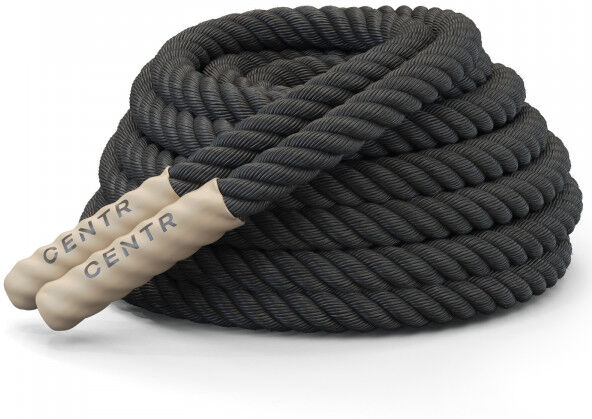
Centr Battle RopeCENTR BATTLE ROPE The Centr Battle Rope is built for high-intensity training and endurance workouts, offering a versatile fitness tool for home gyms, outdoor sessions, or on-the-go use. Its durable construction ensures it can handle even the toughest routines, providing a reliable way to elevate...69,00 £*Shipping: 4,95 £Secure redirect to the provider
-
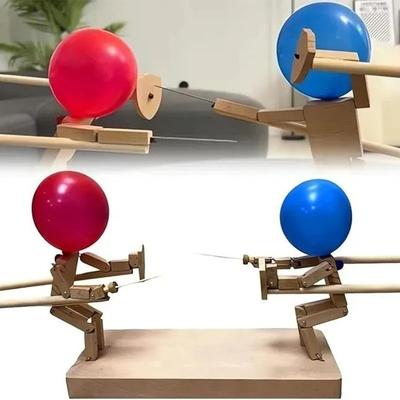
Uplift Essentials Double Battle Poke Balloon Toy Double Battle Poke Balloon ToyBring a unique and thrilling challenge to family game night with the Double Battle Poke Balloon Toy Head, a handmade interactive game designed for fastpaced fun. This creative toy features intricately crafted wooden or bamboo warriors that clash in...58,97 $*Shipping: 0,00 $Secure redirect to the provider
-
Edge Star Wars Age of Rebellion RPG: Forged in Battle - Roleplaying Game Supplement for Rebel Alliance Characters and Military MissionsExpand your Star Wars: Age of Rebellion roleplaying campaign with Forged in Battle, a supplement focused on soldiers of the Rebel Alliance and other characters who operate in wartime environments. This sourcebook adds new playable options for military characters, allies, and fighters, helping groups develop distinctive heroes suited to campaigns of resistance, covert operations, and open conflict. It also provides material for games centered on military missions, including shorter Strike Missions that can be used as individual adventures or combined into a wider campaign. For Star Wars roleplaying groups, this supplement offers a range of new ideas and options for fighters of different backgrounds.33,99 £*Shipping: 3,95 £Secure redirect to the provider


-
Why does the human have so many alveoli?
Humans have so many alveoli in order to maximize the surface area available for gas exchange in the lungs. The large number of alveoli allows for a greater amount of oxygen to be absorbed into the bloodstream and for carbon dioxide to be released from the bloodstream. This efficient gas exchange is essential for providing oxygen to the body's tissues and removing waste products. The high surface area of the alveoli also helps to maintain the proper balance of gases in the blood. **
-
What anatomical processes promote gas exchange in mammalian alveoli?
Gas exchange in mammalian alveoli is promoted by several anatomical processes. First, the alveoli have a large surface area for gas exchange due to their numerous small sacs. Second, the alveoli are surrounded by a dense network of capillaries, allowing for close proximity between the blood and the air in the alveoli. Third, the alveoli have thin walls, which allows for efficient diffusion of gases between the air in the alveoli and the blood in the capillaries. Finally, the alveoli are lined with a layer of surfactant, which reduces surface tension and prevents the alveoli from collapsing, ensuring efficient gas exchange. **
-
Why does carbon dioxide move from the blood to the lung alveoli and, conversely, oxygen from the lung alveoli to the blood?
Carbon dioxide moves from the blood to the lung alveoli because it is a waste product of cellular respiration and needs to be removed from the body. In the alveoli, it diffuses across the thin membrane and is exhaled out of the body. Conversely, oxygen moves from the lung alveoli to the blood because it is needed for cellular respiration to produce energy. The oxygen diffuses from the alveoli into the blood where it binds to hemoglobin and is transported to the body's tissues. **
-
Is this a good description of gas exchange in the alveoli?
Yes, the description provided is a good overview of gas exchange in the alveoli. It accurately explains how oxygen from inhaled air diffuses across the alveolar membrane into the bloodstream, where it binds to hemoglobin in red blood cells. At the same time, carbon dioxide from the bloodstream diffuses into the alveoli to be exhaled. This process is essential for maintaining the body's oxygen levels and removing carbon dioxide waste. **

What is the principle of the surface area enlargement of lung alveoli?
The principle of surface area enlargement of lung alveoli is to maximize the area available for gas exchange. This is achieved through the branching structure of the respiratory tree, which leads to a large number of alveoli. The thin walls of the alveoli and the network of capillaries surrounding them further increase the surface area available for gas exchange. This large surface area allows for efficient exchange of oxygen and carbon dioxide between the air in the alveoli and the blood in the capillaries. **
How does the body prevent the equalization of gas concentration in the capillaries and alveoli?
The body prevents the equalization of gas concentration in the capillaries and alveoli through a process called ventilation-perfusion matching. This process ensures that the amount of air reaching the alveoli matches the amount of blood reaching the capillaries surrounding the alveoli. This prevents the equalization of gas concentration by maintaining a concentration gradient between the alveoli and the capillaries, allowing for efficient gas exchange. Additionally, the presence of surfactant in the alveoli helps to reduce surface tension and prevent alveolar collapse, further maintaining the concentration gradient. **
Top-Angebote
Products related to Alveoli:
-
Inspired Finds Children's Pinball Marble Table Game With Catapult Hand Eye Coordination Toy soldier Army BattleTurn playtime into an exciting tabletop challenge with this childrens pinball machine toy, designed to entertain while developing motor skills. Featuring a marble table battle catapult game setup, it encourages kids to launch marbles, aim for...56,99 $*Shipping: 0,00 $Secure redirect to the provider
-
"""The Soldier""" """The Soldier Cabernet Sauvignon 2021 Red Wine - Washington""""""A deep crimson in the glass, the wine begins with a deliciously jammy nose of dark berry fruit such as marionberry and boysenberry, joined by sweet notes of lilac, rose, anise, cedar chest and tobacco. On the palate the wine is flavorful and..."30,99 $*Shipping: 0,00 $Secure redirect to the provider
-
Centr Battle RopeCENTR BATTLE ROPE The Centr Battle Rope is built for high-intensity training and endurance workouts, offering a versatile fitness tool for home gyms, outdoor sessions, or on-the-go use. Its durable construction ensures it can handle even the toughest routines, providing a reliable way to elevate...69,00 £*Shipping: 4,95 £Secure redirect to the provider
-
What is the function of the alveoli?
The function of the alveoli is to facilitate the exchange of oxygen and carbon dioxide between the lungs and the bloodstream. This exchange occurs through the thin walls of the alveoli, allowing oxygen to be absorbed into the bloodstream and carbon dioxide to be released from the bloodstream into the lungs to be exhaled. **
-
How does gas exchange work in the alveoli?
Gas exchange in the alveoli occurs through a process called diffusion. Oxygen from the inhaled air passes through the thin walls of the alveoli and into the surrounding capillaries, where it binds to hemoglobin in red blood cells. At the same time, carbon dioxide, a waste product of cellular respiration, diffuses from the blood into the alveoli to be exhaled. This exchange of gases is facilitated by the large surface area and thin walls of the alveoli, as well as the close proximity of the alveoli to the capillaries. **
-
Why does the human have so many alveoli?
Humans have so many alveoli in order to maximize the surface area available for gas exchange in the lungs. The large number of alveoli allows for a greater amount of oxygen to be absorbed into the bloodstream and for carbon dioxide to be released from the bloodstream. This efficient gas exchange is essential for providing oxygen to the body's tissues and removing waste products. The high surface area of the alveoli also helps to maintain the proper balance of gases in the blood. **
-
What anatomical processes promote gas exchange in mammalian alveoli?
Gas exchange in mammalian alveoli is promoted by several anatomical processes. First, the alveoli have a large surface area for gas exchange due to their numerous small sacs. Second, the alveoli are surrounded by a dense network of capillaries, allowing for close proximity between the blood and the air in the alveoli. Third, the alveoli have thin walls, which allows for efficient diffusion of gases between the air in the alveoli and the blood in the capillaries. Finally, the alveoli are lined with a layer of surfactant, which reduces surface tension and prevents the alveoli from collapsing, ensuring efficient gas exchange. **
Similar search terms for Alveoli
-
Uplift Essentials Double Battle Poke Balloon Toy Double Battle Poke Balloon ToyBring a unique and thrilling challenge to family game night with the Double Battle Poke Balloon Toy Head, a handmade interactive game designed for fastpaced fun. This creative toy features intricately crafted wooden or bamboo warriors that clash in...58,97 $*Shipping: 0,00 $Secure redirect to the provider
-
Edge Star Wars Age of Rebellion RPG: Forged in Battle - Roleplaying Game Supplement for Rebel Alliance Characters and Military MissionsExpand your Star Wars: Age of Rebellion roleplaying campaign with Forged in Battle, a supplement focused on soldiers of the Rebel Alliance and other characters who operate in wartime environments. This sourcebook adds new playable options for military characters, allies, and fighters, helping groups develop distinctive heroes suited to campaigns of resistance, covert operations, and open conflict. It also provides material for games centered on military missions, including shorter Strike Missions that can be used as individual adventures or combined into a wider campaign. For Star Wars roleplaying groups, this supplement offers a range of new ideas and options for fighters of different backgrounds.33,99 £*Shipping: 3,95 £Secure redirect to the provider
-
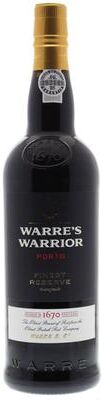
"""Warre's Warrior Port Dessert Wine - Portugal""""""Deep red color, with intensely rich aromas of ripe red fruits and spices. On the palate well balanced and full-bodied, with a long and complex finish. Superb with cheese, nuts or dried fruit after a meal. Fresher in style than the Warrior of the..."23,97 $*Shipping: 0,00 $Secure redirect to the provider
-
Victory Endurance MGB6 90 CapsulesNutrition and Supplements Vitamins and minerals Victory Endurance MGB6 90 Capsules Victory Endurance MgB6 is a product of Magnesium and Vitamin B6, combined in the appropriate doses for greater effectiveness. Recommended for all types of athletes, both strength and endurance, especially in the latter, since magnesium levels can decrease in them due to the great physical wear and tear required by these disciplines.9,17 £*Shipping: 3,99 £Secure redirect to the provider
-
Why does carbon dioxide move from the blood to the lung alveoli and, conversely, oxygen from the lung alveoli to the blood?
Carbon dioxide moves from the blood to the lung alveoli because it is a waste product of cellular respiration and needs to be removed from the body. In the alveoli, it diffuses across the thin membrane and is exhaled out of the body. Conversely, oxygen moves from the lung alveoli to the blood because it is needed for cellular respiration to produce energy. The oxygen diffuses from the alveoli into the blood where it binds to hemoglobin and is transported to the body's tissues. **
-
Is this a good description of gas exchange in the alveoli?
Yes, the description provided is a good overview of gas exchange in the alveoli. It accurately explains how oxygen from inhaled air diffuses across the alveolar membrane into the bloodstream, where it binds to hemoglobin in red blood cells. At the same time, carbon dioxide from the bloodstream diffuses into the alveoli to be exhaled. This process is essential for maintaining the body's oxygen levels and removing carbon dioxide waste. **
-
What is the principle of the surface area enlargement of lung alveoli?
The principle of surface area enlargement of lung alveoli is to maximize the area available for gas exchange. This is achieved through the branching structure of the respiratory tree, which leads to a large number of alveoli. The thin walls of the alveoli and the network of capillaries surrounding them further increase the surface area available for gas exchange. This large surface area allows for efficient exchange of oxygen and carbon dioxide between the air in the alveoli and the blood in the capillaries. **
-
How does the body prevent the equalization of gas concentration in the capillaries and alveoli?
The body prevents the equalization of gas concentration in the capillaries and alveoli through a process called ventilation-perfusion matching. This process ensures that the amount of air reaching the alveoli matches the amount of blood reaching the capillaries surrounding the alveoli. This prevents the equalization of gas concentration by maintaining a concentration gradient between the alveoli and the capillaries, allowing for efficient gas exchange. Additionally, the presence of surfactant in the alveoli helps to reduce surface tension and prevent alveolar collapse, further maintaining the concentration gradient. **
* All prices are inclusive of VAT and, if applicable, plus shipping costs. The offer information is based on the details provided by the respective shop and is updated through automated processes. Real-time updates do not occur, so deviations can occur in individual cases. ** Note: Parts of this content were created by AI.