Buy 軍歌.com ?
We are moving the project
軍歌.com .
Are you interested in purchasing the domain
軍歌.com ?
domain@kv-gmbh.de · 0541-91531010
Buy 軍歌.com ?
Why are demonstrative pronouns called demonstrative pronouns?
Demonstrative pronouns are called demonstrative because they demonstrate or point to a specific noun or pronoun in a sentence. They help to indicate the position or location of the noun or pronoun in relation to the speaker or listener. By using demonstrative pronouns such as "this," "that," "these," and "those," speakers can make their communication more precise and clear by specifying which person, place, thing, or idea they are referring to. **
What is the difference between demonstrative pronouns and demonstrative determiners in French?
In French, demonstrative pronouns (ce, cette, ces) stand alone to replace a noun, while demonstrative determiners (ce/cet, cette, ces) are used with a noun to indicate which specific thing or person is being referred to. For example, "Ce livre est intéressant" uses the demonstrative determiner "ce" with the noun "livre," while "Celui-ci est intéressant" uses the demonstrative pronoun "celui-ci" to replace the noun "livre." Demonstrative determiners are used before a noun, while demonstrative pronouns are used in place of a noun. **


Similar search terms for Demonstrative
Top-Angebote
Products related to Demonstrative:
-
"""The Soldier""" """The Soldier Cabernet Sauvignon 2021 Red Wine - Washington""""""A deep crimson in the glass, the wine begins with a deliciously jammy nose of dark berry fruit such as marionberry and boysenberry, joined by sweet notes of lilac, rose, anise, cedar chest and tobacco. On the palate the wine is flavorful and..."30,99 $*Shipping: 0,00 $Secure redirect to the provider
-
C&F Home Soldier Nutcracker MugEnjoy your tea, hot chocolate, or coffee in this holiday mug to bring a cozy warmth to your Christmas nights and sunny holiday mornings. Fill it with pens and pencils for your desk, or give it to anyone as a cute Christmas gift.23,93 $*Shipping: 0,00 $Secure redirect to the provider
-
Centr Battle RopeCENTR BATTLE ROPE The Centr Battle Rope is built for high-intensity training and endurance workouts, offering a versatile fitness tool for home gyms, outdoor sessions, or on-the-go use. Its durable construction ensures it can handle even the toughest routines, providing a reliable way to elevate...69,00 £*Shipping: 4,95 £Secure redirect to the provider



-
What are demonstrative pronouns and relative pronouns?
Demonstrative pronouns are pronouns that are used to point to specific things or people. Examples of demonstrative pronouns include "this," "that," "these," and "those." Relative pronouns are pronouns that introduce dependent clauses and connect them to independent clauses. Examples of relative pronouns include "who," "whom," "whose," "which," and "that." **
-
Does French have the demonstrative determiner "cettes"?
No, French does not have the demonstrative determiner "cettes." The correct forms of the demonstrative determiner in French are "cette" for singular feminine nouns, "ce" for singular masculine nouns, and "ces" for plural nouns regardless of gender. "Cettes" is not a standard form in the French language. **
-
What is the demonstrative pronoun in French?
The demonstrative pronouns in French are "ce," "cette," "ces," and "cet" for singular and plural forms. These pronouns are used to point out or demonstrate specific people, places, or things. They agree in gender and number with the noun they refer to, and their usage depends on the proximity of the object being referred to. **
-
How do I use demonstrative pronouns correctly?
Demonstrative pronouns, such as "this," "that," "these," and "those," are used to point out specific people, places, or things. Use "this" and "these" to refer to something that is nearby or close in time, and use "that" and "those" to refer to something that is farther away or in the past. For example, you can say "This is my book" when referring to a book that is nearby, and "That was a great movie" when referring to a movie that you saw in the past. Make sure to match the demonstrative pronoun with the singular or plural noun it is replacing, and use the appropriate form (this/that or these/those) based on the distance or time. **

How does demonstrative silence manifest itself in lovers?
Demonstrative silence in lovers can manifest itself in various ways. It may occur during moments of deep emotional connection, where words are not needed to express their feelings for each other. It can also be a form of understanding and support, where one partner chooses to remain silent to give the other space to process their thoughts or emotions. In some cases, demonstrative silence can be a way for lovers to communicate without words, using nonverbal cues and gestures to convey their love and affection. **
Is it a demonstrative or personal pronoun in Latin?
In Latin, "hic" is a demonstrative pronoun. Demonstrative pronouns in Latin are used to point out specific things or people, while personal pronouns are used to refer to individuals or groups. "Hic" specifically means "this" or "these" and is used to indicate something close to the speaker. **
Top-Angebote
Products related to Demonstrative:
-
Inspired Finds Children's Pinball Marble Table Game With Catapult Hand Eye Coordination Toy soldier Army BattleTurn playtime into an exciting tabletop challenge with this childrens pinball machine toy, designed to entertain while developing motor skills. Featuring a marble table battle catapult game setup, it encourages kids to launch marbles, aim for...56,99 $*Shipping: 0,00 $Secure redirect to the provider
-
"""The Soldier""" """The Soldier Cabernet Sauvignon 2021 Red Wine - Washington""""""A deep crimson in the glass, the wine begins with a deliciously jammy nose of dark berry fruit such as marionberry and boysenberry, joined by sweet notes of lilac, rose, anise, cedar chest and tobacco. On the palate the wine is flavorful and..."30,99 $*Shipping: 0,00 $Secure redirect to the provider
-
Why are demonstrative pronouns called demonstrative pronouns?
Demonstrative pronouns are called demonstrative because they demonstrate or point to a specific noun or pronoun in a sentence. They help to indicate the position or location of the noun or pronoun in relation to the speaker or listener. By using demonstrative pronouns such as "this," "that," "these," and "those," speakers can make their communication more precise and clear by specifying which person, place, thing, or idea they are referring to. **
-
What is the difference between demonstrative pronouns and demonstrative determiners in French?
In French, demonstrative pronouns (ce, cette, ces) stand alone to replace a noun, while demonstrative determiners (ce/cet, cette, ces) are used with a noun to indicate which specific thing or person is being referred to. For example, "Ce livre est intéressant" uses the demonstrative determiner "ce" with the noun "livre," while "Celui-ci est intéressant" uses the demonstrative pronoun "celui-ci" to replace the noun "livre." Demonstrative determiners are used before a noun, while demonstrative pronouns are used in place of a noun. **
-
What are demonstrative pronouns and relative pronouns?
Demonstrative pronouns are pronouns that are used to point to specific things or people. Examples of demonstrative pronouns include "this," "that," "these," and "those." Relative pronouns are pronouns that introduce dependent clauses and connect them to independent clauses. Examples of relative pronouns include "who," "whom," "whose," "which," and "that." **
-
Does French have the demonstrative determiner "cettes"?
No, French does not have the demonstrative determiner "cettes." The correct forms of the demonstrative determiner in French are "cette" for singular feminine nouns, "ce" for singular masculine nouns, and "ces" for plural nouns regardless of gender. "Cettes" is not a standard form in the French language. **
Similar search terms for Demonstrative
-
C&F Home Soldier Nutcracker MugEnjoy your tea, hot chocolate, or coffee in this holiday mug to bring a cozy warmth to your Christmas nights and sunny holiday mornings. Fill it with pens and pencils for your desk, or give it to anyone as a cute Christmas gift.23,93 $*Shipping: 0,00 $Secure redirect to the provider
-
Centr Battle RopeCENTR BATTLE ROPE The Centr Battle Rope is built for high-intensity training and endurance workouts, offering a versatile fitness tool for home gyms, outdoor sessions, or on-the-go use. Its durable construction ensures it can handle even the toughest routines, providing a reliable way to elevate...69,00 £*Shipping: 4,95 £Secure redirect to the provider
-
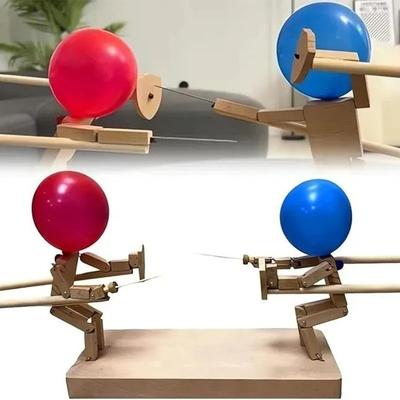
Uplift Essentials Double Battle Poke Balloon Toy Double Battle Poke Balloon ToyBring a unique and thrilling challenge to family game night with the Double Battle Poke Balloon Toy Head, a handmade interactive game designed for fastpaced fun. This creative toy features intricately crafted wooden or bamboo warriors that clash in...58,97 $*Shipping: 0,00 $Secure redirect to the provider
-
"""Warre's Warrior Port Dessert Wine - Portugal""""""Deep red color, with intensely rich aromas of ripe red fruits and spices. On the palate well balanced and full-bodied, with a long and complex finish. Superb with cheese, nuts or dried fruit after a meal. Fresher in style than the Warrior of the..."23,97 $*Shipping: 0,00 $Secure redirect to the provider
-
What is the demonstrative pronoun in French?
The demonstrative pronouns in French are "ce," "cette," "ces," and "cet" for singular and plural forms. These pronouns are used to point out or demonstrate specific people, places, or things. They agree in gender and number with the noun they refer to, and their usage depends on the proximity of the object being referred to. **
-
How do I use demonstrative pronouns correctly?
Demonstrative pronouns, such as "this," "that," "these," and "those," are used to point out specific people, places, or things. Use "this" and "these" to refer to something that is nearby or close in time, and use "that" and "those" to refer to something that is farther away or in the past. For example, you can say "This is my book" when referring to a book that is nearby, and "That was a great movie" when referring to a movie that you saw in the past. Make sure to match the demonstrative pronoun with the singular or plural noun it is replacing, and use the appropriate form (this/that or these/those) based on the distance or time. **
-
How does demonstrative silence manifest itself in lovers?
Demonstrative silence in lovers can manifest itself in various ways. It may occur during moments of deep emotional connection, where words are not needed to express their feelings for each other. It can also be a form of understanding and support, where one partner chooses to remain silent to give the other space to process their thoughts or emotions. In some cases, demonstrative silence can be a way for lovers to communicate without words, using nonverbal cues and gestures to convey their love and affection. **
-
Is it a demonstrative or personal pronoun in Latin?
In Latin, "hic" is a demonstrative pronoun. Demonstrative pronouns in Latin are used to point out specific things or people, while personal pronouns are used to refer to individuals or groups. "Hic" specifically means "this" or "these" and is used to indicate something close to the speaker. **
* All prices are inclusive of VAT and, if applicable, plus shipping costs. The offer information is based on the details provided by the respective shop and is updated through automated processes. Real-time updates do not occur, so deviations can occur in individual cases. ** Note: Parts of this content were created by AI.