Buy 軍歌.com ?
We are moving the project
軍歌.com .
Are you interested in purchasing the domain
軍歌.com ?
domain@kv-gmbh.de · 0541-91531010
Buy 軍歌.com ?
How is the partitive formed?
The partitive is formed in French by using the preposition "de" followed by the definite article "le," "la," or "les." This combination contracts to form "du," "de la," or "des" before a singular or plural noun, respectively. For example, "some bread" is "du pain" and "some apples" is "des pommes." The partitive is used to indicate an unspecified quantity or portion of a mass noun. **
What is the French partitive article?
The French partitive article is used to indicate an unspecified quantity of a noun that cannot be counted. It is formed by combining the preposition "de" with the definite article corresponding to the noun's gender and number. For example, "du" is used with masculine singular nouns, "de la" with feminine singular nouns, and "des" with plural nouns. The partitive article is used in French to express concepts like some, any, or a part of something. **


Similar search terms for Partitive
Top-Angebote
Products related to Partitive:
-
"""The Soldier""" """The Soldier Cabernet Sauvignon 2021 Red Wine - Washington""""""A deep crimson in the glass, the wine begins with a deliciously jammy nose of dark berry fruit such as marionberry and boysenberry, joined by sweet notes of lilac, rose, anise, cedar chest and tobacco. On the palate the wine is flavorful and..."30,99 $*Shipping: 0,00 $Secure redirect to the provider
-
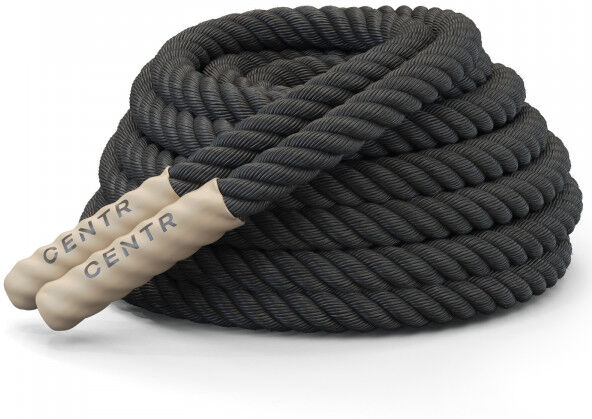
Centr Battle RopeCENTR BATTLE ROPE The Centr Battle Rope is built for high-intensity training and endurance workouts, offering a versatile fitness tool for home gyms, outdoor sessions, or on-the-go use. Its durable construction ensures it can handle even the toughest routines, providing a reliable way to elevate...69,00 £*Shipping: 4,95 £Secure redirect to the provider
-
Uplift Essentials Double Battle Poke Balloon Toy Double Battle Poke Balloon ToyBring a unique and thrilling challenge to family game night with the Double Battle Poke Balloon Toy Head, a handmade interactive game designed for fastpaced fun. This creative toy features intricately crafted wooden or bamboo warriors that clash in...58,97 $*Shipping: 0,00 $Secure redirect to the provider
-
Edge Star Wars Age of Rebellion RPG: Forged in Battle - Roleplaying Game Supplement for Rebel Alliance Characters and Military MissionsExpand your Star Wars: Age of Rebellion roleplaying campaign with Forged in Battle, a supplement focused on soldiers of the Rebel Alliance and other characters who operate in wartime environments. This sourcebook adds new playable options for military characters, allies, and fighters, helping groups develop distinctive heroes suited to campaigns of resistance, covert operations, and open conflict. It also provides material for games centered on military missions, including shorter Strike Missions that can be used as individual adventures or combined into a wider campaign. For Star Wars roleplaying groups, this supplement offers a range of new ideas and options for fighters of different backgrounds.32,99 £*Shipping: 3,95 £Secure redirect to the provider



-
What are partitive articles in the French language?
Partitive articles in French are used to indicate an unspecified quantity of a noun. They are used when referring to a portion or some of a mass noun, such as food or liquid. The partitive articles in French are "du" (for masculine nouns), "de la" (for feminine nouns), and "de l'" (for nouns starting with a vowel or silent "h"). These articles are essential for expressing the concept of some or any in French. **
-
What is the rule for the partitive article?
The rule for the partitive article in French is to use "de" followed by the definite article (le, la, les) to indicate an unspecified quantity or some of a mass noun. For example, "du" is used for masculine singular nouns, "de la" for feminine singular nouns, and "des" for plural nouns. The partitive article is used when referring to an unknown or unspecified quantity of something. **
-
How do you form the genitive partitive in Latin?
In Latin, the genitive partitive is formed by using the genitive case of the noun followed by the word "partis" or "partis" (depending on the gender of the noun) to indicate a part of the whole. For example, if the noun is "puella" (girl), the genitive partitive would be "puellae partis" to indicate "part of the girl." This construction is used to express the idea of "some of" or "a part of" something. **
-
Can you please help me with the partitive article?
The partitive article is used in French to indicate an unspecified quantity of something. It is often used with uncountable nouns to express "some" or "any" in English. The partitive article changes depending on the gender and number of the noun it precedes. For example, "du" is used before masculine singular nouns, "de la" before feminine singular nouns, and "des" before plural nouns. It is important to use the correct partitive article to indicate the appropriate quantity in French. **

What are partitive articles and quantity increases in French?
Partitive articles in French are used to indicate an unspecified quantity of a noun. They are used with uncountable nouns or when referring to a portion of something. Quantity increases in French involve using words like "plus de" (more), "beaucoup de" (a lot of), or "trop de" (too much) to indicate an increase in the quantity of something. These expressions are used to specify a larger amount of a noun compared to using just the partitive article. **
When do you use the partitive article in French?
The partitive article in French is used to indicate an unspecified quantity of a mass noun. It is used when referring to a part of a whole, or an unspecified amount of something. For example, "du" is used for masculine nouns, "de la" for feminine nouns, and "de l'" for nouns starting with a vowel or silent "h". It is important to use the partitive article when talking about food, drinks, or other uncountable nouns in French. **
Top-Angebote
Products related to Partitive:
-
Inspired Finds Children's Pinball Marble Table Game With Catapult Hand Eye Coordination Toy soldier Army BattleTurn playtime into an exciting tabletop challenge with this childrens pinball machine toy, designed to entertain while developing motor skills. Featuring a marble table battle catapult game setup, it encourages kids to launch marbles, aim for...56,99 $*Shipping: 0,00 $Secure redirect to the provider
-
"""The Soldier""" """The Soldier Cabernet Sauvignon 2021 Red Wine - Washington""""""A deep crimson in the glass, the wine begins with a deliciously jammy nose of dark berry fruit such as marionberry and boysenberry, joined by sweet notes of lilac, rose, anise, cedar chest and tobacco. On the palate the wine is flavorful and..."30,99 $*Shipping: 0,00 $Secure redirect to the provider
-
Centr Battle RopeCENTR BATTLE ROPE The Centr Battle Rope is built for high-intensity training and endurance workouts, offering a versatile fitness tool for home gyms, outdoor sessions, or on-the-go use. Its durable construction ensures it can handle even the toughest routines, providing a reliable way to elevate...69,00 £*Shipping: 4,95 £Secure redirect to the provider
-
How is the partitive formed?
The partitive is formed in French by using the preposition "de" followed by the definite article "le," "la," or "les." This combination contracts to form "du," "de la," or "des" before a singular or plural noun, respectively. For example, "some bread" is "du pain" and "some apples" is "des pommes." The partitive is used to indicate an unspecified quantity or portion of a mass noun. **
-
What is the French partitive article?
The French partitive article is used to indicate an unspecified quantity of a noun that cannot be counted. It is formed by combining the preposition "de" with the definite article corresponding to the noun's gender and number. For example, "du" is used with masculine singular nouns, "de la" with feminine singular nouns, and "des" with plural nouns. The partitive article is used in French to express concepts like some, any, or a part of something. **
-
What are partitive articles in the French language?
Partitive articles in French are used to indicate an unspecified quantity of a noun. They are used when referring to a portion or some of a mass noun, such as food or liquid. The partitive articles in French are "du" (for masculine nouns), "de la" (for feminine nouns), and "de l'" (for nouns starting with a vowel or silent "h"). These articles are essential for expressing the concept of some or any in French. **
-
What is the rule for the partitive article?
The rule for the partitive article in French is to use "de" followed by the definite article (le, la, les) to indicate an unspecified quantity or some of a mass noun. For example, "du" is used for masculine singular nouns, "de la" for feminine singular nouns, and "des" for plural nouns. The partitive article is used when referring to an unknown or unspecified quantity of something. **
Similar search terms for Partitive
-
Uplift Essentials Double Battle Poke Balloon Toy Double Battle Poke Balloon ToyBring a unique and thrilling challenge to family game night with the Double Battle Poke Balloon Toy Head, a handmade interactive game designed for fastpaced fun. This creative toy features intricately crafted wooden or bamboo warriors that clash in...58,97 $*Shipping: 0,00 $Secure redirect to the provider
-
Edge Star Wars Age of Rebellion RPG: Forged in Battle - Roleplaying Game Supplement for Rebel Alliance Characters and Military MissionsExpand your Star Wars: Age of Rebellion roleplaying campaign with Forged in Battle, a supplement focused on soldiers of the Rebel Alliance and other characters who operate in wartime environments. This sourcebook adds new playable options for military characters, allies, and fighters, helping groups develop distinctive heroes suited to campaigns of resistance, covert operations, and open conflict. It also provides material for games centered on military missions, including shorter Strike Missions that can be used as individual adventures or combined into a wider campaign. For Star Wars roleplaying groups, this supplement offers a range of new ideas and options for fighters of different backgrounds.32,99 £*Shipping: 3,95 £Secure redirect to the provider
-
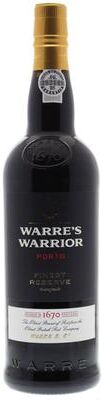
"""Warre's Warrior Port Dessert Wine - Portugal""""""Deep red color, with intensely rich aromas of ripe red fruits and spices. On the palate well balanced and full-bodied, with a long and complex finish. Superb with cheese, nuts or dried fruit after a meal. Fresher in style than the Warrior of the..."23,97 $*Shipping: 0,00 $Secure redirect to the provider
-
Skip's Garage Soldier Holding Skull 2x4 Cornhole Board SetIncludes: (2) Cornhole Boards & (8) Bags. Easily Choose Your Board Size & Type. Bags Will Complement The Board Colors. Add Accessories like Carry Cases or LED Hole Lights. Lights are Multicolor and Easily Change via Remote.206,49 $*Shipping: 0,00 $Secure redirect to the provider
-
How do you form the genitive partitive in Latin?
In Latin, the genitive partitive is formed by using the genitive case of the noun followed by the word "partis" or "partis" (depending on the gender of the noun) to indicate a part of the whole. For example, if the noun is "puella" (girl), the genitive partitive would be "puellae partis" to indicate "part of the girl." This construction is used to express the idea of "some of" or "a part of" something. **
-
Can you please help me with the partitive article?
The partitive article is used in French to indicate an unspecified quantity of something. It is often used with uncountable nouns to express "some" or "any" in English. The partitive article changes depending on the gender and number of the noun it precedes. For example, "du" is used before masculine singular nouns, "de la" before feminine singular nouns, and "des" before plural nouns. It is important to use the correct partitive article to indicate the appropriate quantity in French. **
-
What are partitive articles and quantity increases in French?
Partitive articles in French are used to indicate an unspecified quantity of a noun. They are used with uncountable nouns or when referring to a portion of something. Quantity increases in French involve using words like "plus de" (more), "beaucoup de" (a lot of), or "trop de" (too much) to indicate an increase in the quantity of something. These expressions are used to specify a larger amount of a noun compared to using just the partitive article. **
-
When do you use the partitive article in French?
The partitive article in French is used to indicate an unspecified quantity of a mass noun. It is used when referring to a part of a whole, or an unspecified amount of something. For example, "du" is used for masculine nouns, "de la" for feminine nouns, and "de l'" for nouns starting with a vowel or silent "h". It is important to use the partitive article when talking about food, drinks, or other uncountable nouns in French. **
* All prices are inclusive of VAT and, if applicable, plus shipping costs. The offer information is based on the details provided by the respective shop and is updated through automated processes. Real-time updates do not occur, so deviations can occur in individual cases. ** Note: Parts of this content were created by AI.