Buy 軍歌.com ?
We are moving the project
軍歌.com .
Are you interested in purchasing the domain
軍歌.com ?
domain@kv-gmbh.de · 0541-91531010
Buy 軍歌.com ?
What are venous sinuses?
Venous sinuses are large, thin-walled blood vessels found within the dura mater, the tough outermost membrane surrounding the brain. They are responsible for draining deoxygenated blood and cerebrospinal fluid from the brain and returning it to the systemic circulation. Venous sinuses have a unique structure, with no traditional endothelial lining, and they are surrounded by layers of dura mater. These sinuses play a crucial role in maintaining the proper circulation and drainage of fluids within the brain. **
What is a venous bleeding?
Venous bleeding is the type of bleeding that occurs when a vein is damaged or punctured, leading to blood flowing out of the vein. Venous bleeding is characterized by a steady flow of dark red blood, as veins carry blood that is low in oxygen. It is generally easier to control venous bleeding compared to arterial bleeding, as veins have lower pressure. However, if left untreated, venous bleeding can still lead to significant blood loss and should be addressed promptly. **


Similar search terms for Venous
Top-Angebote
Products related to Venous:
-
Inspired Finds Children's Pinball Marble Table Game With Catapult Hand Eye Coordination Toy soldier Army BattleTurn playtime into an exciting tabletop challenge with this childrens pinball machine toy, designed to entertain while developing motor skills. Featuring a marble table battle catapult game setup, it encourages kids to launch marbles, aim for...56,99 $*Shipping: 0,00 $Secure redirect to the provider
-
"""The Soldier""" """The Soldier Cabernet Sauvignon 2021 Red Wine - Washington""""""A deep crimson in the glass, the wine begins with a deliciously jammy nose of dark berry fruit such as marionberry and boysenberry, joined by sweet notes of lilac, rose, anise, cedar chest and tobacco. On the palate the wine is flavorful and..."30,99 $*Shipping: 0,00 $Secure redirect to the provider
-
C&F Home Soldier Nutcracker MugEnjoy your tea, hot chocolate, or coffee in this holiday mug to bring a cozy warmth to your Christmas nights and sunny holiday mornings. Fill it with pens and pencils for your desk, or give it to anyone as a cute Christmas gift.23,93 $*Shipping: 0,00 $Secure redirect to the provider


-
What is the pelvic venous syndrome?
Pelvic venous syndrome (PVS) is a condition that occurs when the veins in the pelvic area become enlarged and dysfunctional, leading to symptoms such as chronic pelvic pain, pelvic congestion, and varicose veins in the pelvis. This can be caused by a variety of factors, including pregnancy, hormonal changes, and increased pressure on the pelvic veins. PVS is more common in women and can significantly impact their quality of life. Treatment options for PVS may include medication, minimally invasive procedures, or surgery to alleviate symptoms and improve venous function in the pelvic area. **
-
How can one refuse venous access?
One can refuse venous access by clearly communicating their decision to the healthcare provider. It is important to provide a valid reason for refusing the procedure, such as fear of needles or previous negative experiences. Patients have the right to refuse any medical procedure, but it is important to discuss alternative options with the healthcare provider to ensure proper care is provided. **
-
How can one refuse the venous access?
One can refuse venous access by clearly communicating their decision to the healthcare provider. It is important to express any concerns or reasons for refusal, and to ask for alternative options if available. It is also important to understand the potential consequences of refusing venous access, and to make an informed decision based on the advice of the healthcare provider. Ultimately, it is the individual's right to refuse any medical procedure, but it is important to have an open and respectful conversation with the healthcare provider to ensure the best possible care. **
-
Why are there venous and arterial capillaries?
Venous and arterial capillaries serve different functions in the circulatory system. Arterial capillaries are responsible for delivering oxygenated blood from the heart to the tissues, while venous capillaries collect deoxygenated blood from the tissues and return it to the heart. This separation allows for efficient exchange of gases, nutrients, and waste products between the blood and the tissues. Additionally, the different pressures and oxygen levels in the arterial and venous systems require specialized capillaries to accommodate these differences. **
What are the signs of venous insufficiency?
Signs of venous insufficiency include swelling in the legs and ankles, aching or heaviness in the legs, skin discoloration or changes, varicose veins, leg ulcers, and a feeling of warmth in the legs. Additionally, some people may experience itching or a tingling sensation in the legs. If you are experiencing any of these symptoms, it is important to consult with a healthcare professional for proper diagnosis and treatment. **
What can be done against venous diseases, especially varicose veins?
To prevent and manage venous diseases, especially varicose veins, individuals can take several steps. Regular exercise, maintaining a healthy weight, and avoiding prolonged periods of standing or sitting can help improve circulation. Wearing compression stockings, elevating the legs when resting, and avoiding tight clothing can also help alleviate symptoms. In severe cases, medical treatments such as sclerotherapy, laser therapy, or surgery may be necessary to treat varicose veins. Consulting with a healthcare professional for personalized advice and treatment options is recommended. **
Top-Angebote
Products related to Venous:
-
Nutergia Ergyven (Venous Circulation) 250 Ml.Nutrition and Supplements Special supplements Nutergia Ergyven (Venous Circulation) 250 Ml. ERGYVEN is composed of plants traditionally used to maintain the integrity of the venous system, in particular to reduce the sensation of heavy legs. To these plants, trace elements of marine and clay origin, such as selenium, copper and manganese, are added to the formula to protect the cells against oxidative stress. Terrain action: Heavy legs Weakness of capillaries, of the vessels. Recommendations for use: 1 to 2 capsule doses per day at glass of water outside of meals improves for 2 to 3 months to be renewed. Presentation: 250 ml bottle.17,36 £*Shipping: 3,99 £Secure redirect to the provider
-
Inspired Finds Children's Pinball Marble Table Game With Catapult Hand Eye Coordination Toy soldier Army BattleTurn playtime into an exciting tabletop challenge with this childrens pinball machine toy, designed to entertain while developing motor skills. Featuring a marble table battle catapult game setup, it encourages kids to launch marbles, aim for...56,99 $*Shipping: 0,00 $Secure redirect to the provider
-
"""The Soldier""" """The Soldier Cabernet Sauvignon 2021 Red Wine - Washington""""""A deep crimson in the glass, the wine begins with a deliciously jammy nose of dark berry fruit such as marionberry and boysenberry, joined by sweet notes of lilac, rose, anise, cedar chest and tobacco. On the palate the wine is flavorful and..."30,99 $*Shipping: 0,00 $Secure redirect to the provider
-
What are venous sinuses?
Venous sinuses are large, thin-walled blood vessels found within the dura mater, the tough outermost membrane surrounding the brain. They are responsible for draining deoxygenated blood and cerebrospinal fluid from the brain and returning it to the systemic circulation. Venous sinuses have a unique structure, with no traditional endothelial lining, and they are surrounded by layers of dura mater. These sinuses play a crucial role in maintaining the proper circulation and drainage of fluids within the brain. **
-
What is a venous bleeding?
Venous bleeding is the type of bleeding that occurs when a vein is damaged or punctured, leading to blood flowing out of the vein. Venous bleeding is characterized by a steady flow of dark red blood, as veins carry blood that is low in oxygen. It is generally easier to control venous bleeding compared to arterial bleeding, as veins have lower pressure. However, if left untreated, venous bleeding can still lead to significant blood loss and should be addressed promptly. **
-
What is the pelvic venous syndrome?
Pelvic venous syndrome (PVS) is a condition that occurs when the veins in the pelvic area become enlarged and dysfunctional, leading to symptoms such as chronic pelvic pain, pelvic congestion, and varicose veins in the pelvis. This can be caused by a variety of factors, including pregnancy, hormonal changes, and increased pressure on the pelvic veins. PVS is more common in women and can significantly impact their quality of life. Treatment options for PVS may include medication, minimally invasive procedures, or surgery to alleviate symptoms and improve venous function in the pelvic area. **
-
How can one refuse venous access?
One can refuse venous access by clearly communicating their decision to the healthcare provider. It is important to provide a valid reason for refusing the procedure, such as fear of needles or previous negative experiences. Patients have the right to refuse any medical procedure, but it is important to discuss alternative options with the healthcare provider to ensure proper care is provided. **
Similar search terms for Venous
-
C&F Home Soldier Nutcracker MugEnjoy your tea, hot chocolate, or coffee in this holiday mug to bring a cozy warmth to your Christmas nights and sunny holiday mornings. Fill it with pens and pencils for your desk, or give it to anyone as a cute Christmas gift.23,93 $*Shipping: 0,00 $Secure redirect to the provider
-
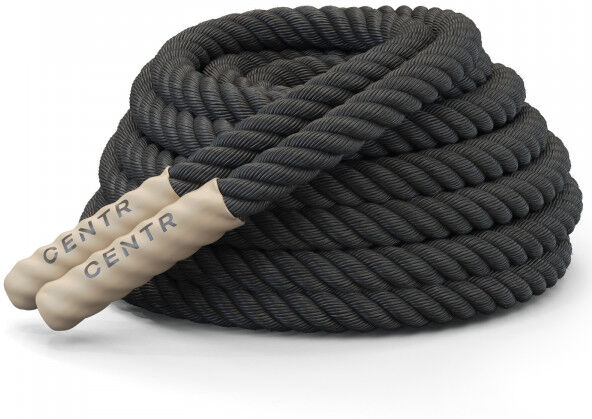
Centr Battle RopeCENTR BATTLE ROPE The Centr Battle Rope is built for high-intensity training and endurance workouts, offering a versatile fitness tool for home gyms, outdoor sessions, or on-the-go use. Its durable construction ensures it can handle even the toughest routines, providing a reliable way to elevate...69,00 £*Shipping: 4,95 £Secure redirect to the provider
-
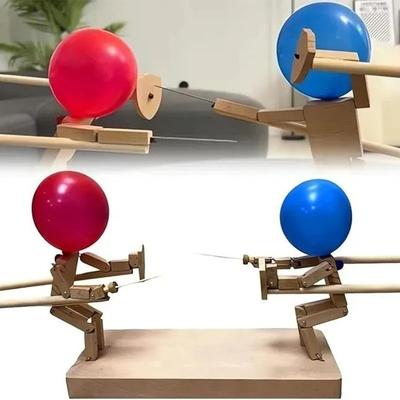
Uplift Essentials Double Battle Poke Balloon Toy Double Battle Poke Balloon ToyBring a unique and thrilling challenge to family game night with the Double Battle Poke Balloon Toy Head, a handmade interactive game designed for fastpaced fun. This creative toy features intricately crafted wooden or bamboo warriors that clash in...58,97 $*Shipping: 0,00 $Secure redirect to the provider
-
How can one refuse the venous access?
One can refuse venous access by clearly communicating their decision to the healthcare provider. It is important to express any concerns or reasons for refusal, and to ask for alternative options if available. It is also important to understand the potential consequences of refusing venous access, and to make an informed decision based on the advice of the healthcare provider. Ultimately, it is the individual's right to refuse any medical procedure, but it is important to have an open and respectful conversation with the healthcare provider to ensure the best possible care. **
-
Why are there venous and arterial capillaries?
Venous and arterial capillaries serve different functions in the circulatory system. Arterial capillaries are responsible for delivering oxygenated blood from the heart to the tissues, while venous capillaries collect deoxygenated blood from the tissues and return it to the heart. This separation allows for efficient exchange of gases, nutrients, and waste products between the blood and the tissues. Additionally, the different pressures and oxygen levels in the arterial and venous systems require specialized capillaries to accommodate these differences. **
-
What are the signs of venous insufficiency?
Signs of venous insufficiency include swelling in the legs and ankles, aching or heaviness in the legs, skin discoloration or changes, varicose veins, leg ulcers, and a feeling of warmth in the legs. Additionally, some people may experience itching or a tingling sensation in the legs. If you are experiencing any of these symptoms, it is important to consult with a healthcare professional for proper diagnosis and treatment. **
-
What can be done against venous diseases, especially varicose veins?
To prevent and manage venous diseases, especially varicose veins, individuals can take several steps. Regular exercise, maintaining a healthy weight, and avoiding prolonged periods of standing or sitting can help improve circulation. Wearing compression stockings, elevating the legs when resting, and avoiding tight clothing can also help alleviate symptoms. In severe cases, medical treatments such as sclerotherapy, laser therapy, or surgery may be necessary to treat varicose veins. Consulting with a healthcare professional for personalized advice and treatment options is recommended. **
* All prices are inclusive of VAT and, if applicable, plus shipping costs. The offer information is based on the details provided by the respective shop and is updated through automated processes. Real-time updates do not occur, so deviations can occur in individual cases. ** Note: Parts of this content were created by AI.